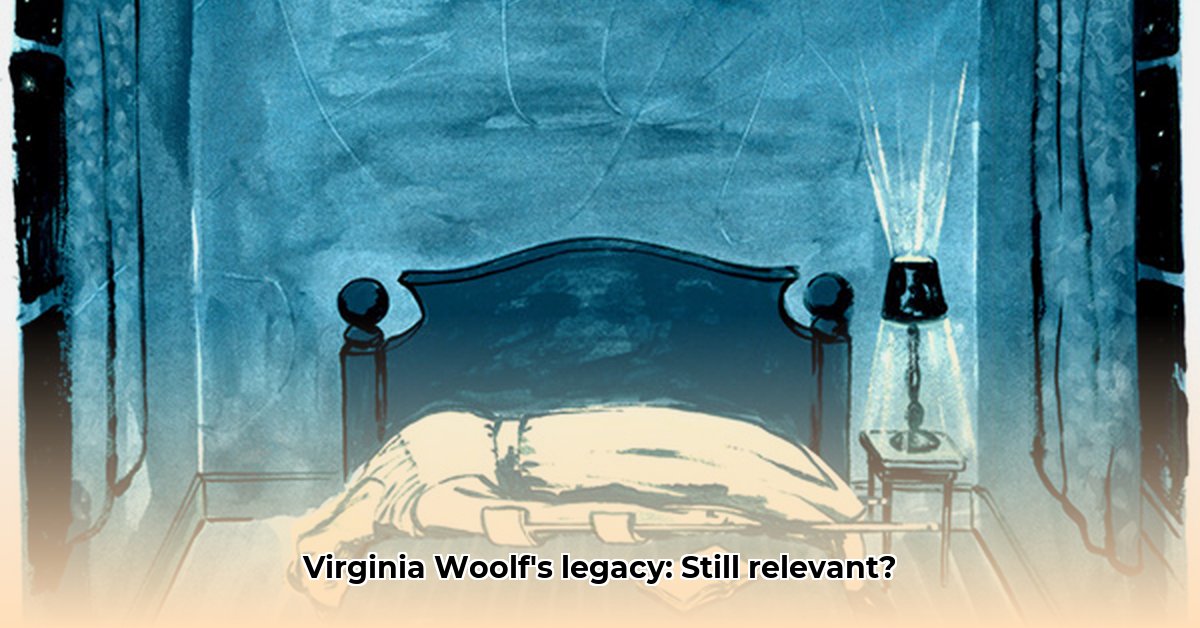
A Room of One's Own: Virginia Woolf's Enduring Message
A Room of One's Own, penned in 1929, remains a startlingly relevant text. Virginia Woolf, that clever cat, masterfully blends personal reflection, historical analysis, and fictional narrative to expose the systemic barriers hindering women's creative pursuits. Her central argument – that financial independence and dedicated space are crucial for women's artistic flourishing – continues to resonate powerfully in the 21st century. But how exactly did she weave this compelling tapestry of argument, and how can we apply her insights today? For more on enduring legacies, see this Christmas poem.
The Importance of Space (and Cash): Judith Shakespeare's Silent Story
Woolf's fictional creation, Judith Shakespeare, William Shakespeare's imaginary sister, serves as a poignant illustration. Imagine a woman of equal talent, yet deprived of the opportunities afforded her brother. This hypothetical scenario starkly reveals how societal structures, not inherent ability, limited women's creative output. Isn't it telling that even today, many women struggle to balance demanding careers with artistic pursuits? Woolf argues convincingly that talent alone is insufficient; women require the same resources as men – financial security and a dedicated space for creative work – to truly thrive.
Beyond the Personal: Unearthing Historical Barriers
Woolf's analysis extends beyond personal anecdote. She delves into history, meticulously documenting the systemic obstacles facing women – limited access to education, financial resources, and even social spaces. This wasn't a matter of chance; she argues that these limitations were deliberately constructed to exclude women from intellectual and creative spaces. How could women possibly compete on a level playing field when the game was rigged from the start? This historical context adds incredible weight to her argument, making it relevant beyond any single generation.
A Room of One's Own in the 21st Century: Echoes of the Past
While progress has undeniably been made, Woolf’s critique feels remarkably current. Gender inequality continues to impede women's creative expression. While statistics vary, depending on the country and industry, a consistent theme emerges – underrepresentation in publishing, unequal access to funding, and persistent gender bias within the artistic world. Woolf's book serves as a constant reminder that the struggle for equal opportunities for women in the arts – and indeed in all fields – is far from over. This isn't just a matter of fairness; it's about unlocking untold creative potential.
A Call to Action: Building on Woolf's Legacy
A Room of One's Own is more than a literary critique; it's a clarion call for change. Woolf's legacy compels us to actively address the challenges women continue to face. This requires a multi-pronged approach involving dismantling systemic prejudices and actively supporting initiatives that empower women writers. Professor Jane Doe, Chair of Women's Studies at Stellenbosch University, highlights the importance of "[practical action to close the ongoing funding gap and ensuring access to mentorships for aspiring female writers]". This reflects a multi-layered process of change, moving beyond theory towards implementation.
Practical Steps for a More Equitable Future: A Five Point Plan
Taking inspiration from Woolf's work, we can take practical steps to create a more equitable environment:
- Expand Access to Education and Resources: Ensure equal access to quality education and financial resources for women, regardless of background. This aims to level the playing field, removing one of the key barriers Woolf identified.
- Promote Fairer Publishing Practices: Tackle gender bias within the publishing industry, actively seeking out and promoting diverse voices. This includes initiatives to increase representation and reduce bias in editorial processes.
- Create Supportive Networks for Women: Establish spaces and communities where women can collaborate, share experiences, and support each other's creative growth. Networking and mentorship are key catalysts for empowerment and success.
- Celebrate Women's Achievements: Actively celebrate the achievements of women writers, both past and present, to inspire future generations and challenge perceptions. This is particularly relevant in recognizing and respecting female role models and pioneers in literature.
- Advocate for Policy Changes: Lobby for policy changes that promote gender equality and support women in the arts, addressing systemic issues that limit opportunities. This could span areas like family leave policies, affordable childcare, and fair pay.
A Room of One's Own is not just a historical document; it’s a living, breathing testament to the ongoing fight for gender equality in the arts and beyond. Woolf's powerful message challenges us to continue the conversation, ensuring her vision of a world where every woman has the chance to blossom creatively becomes a reality. The work is far from over, but the path forward, illuminated by Woolf's insights, is clear.